Investment Basics and Scope
Investment evaluation means more than scanning returns. It demands analyzing cash flow, risk, and market factors. For instance, stocks have performance metrics like P/E ratio; rental properties require vacancy rate calculations. According to the CFA Institute, average annual equity returns over 20 years stand near 8%. Numbers matter—they ground theory in reality.
Investments include assets such as equities, bonds, real estate, and startups. Assessing them often requires sector-specific tools and knowledge. For example, a tech startup valuation leans heavily on growth potential versus current cash flow, unlike a mature company.
Focus shifts by asset. You cannot apply one investment checklist universally without adjustment. Clarity on asset type guides which data points get priority.
Common Investment Pitfalls
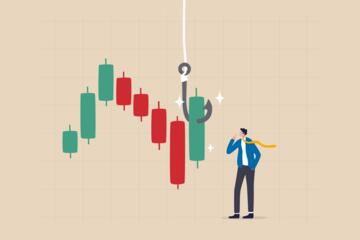
A frequent error is reliance on past returns alone to predict future gains. Markets evolve; companies shift strategies. Ignoring macroeconomic trends or management quality gutters results.
Another mistake shows in overestimating diversification benefits, especially when assets correlate under stress. This flaw caused significant losses in the 2008 crisis. In 2023, many investors failed to account for inflation impacts reducing bond yields below 1.5% real.
Ignoring fee structures—brokerage, fund management, taxes—also erodes profits silently. Complex fee schedules in alternatives like private equity often surprise newcomers.
Evaluation Steps with Details
Define Investment Goals
Start with clear objectives: income, growth, or capital preservation. This clarity influences risk tolerance and term focus. Goals shift choices: a retirement plan differs from an early-stage venture bet.
Analyze Financial Metrics
Metrics like ROI, IRR, and cash-on-cash return reveal profitability patterns. For real estate, cap rate matters; in stocks, dividend yield or earnings growth impact value. Monitor ratios monthly or quarterly.
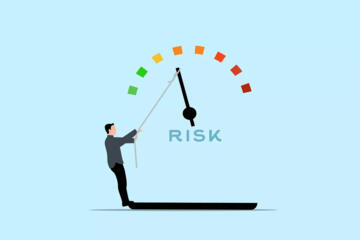
Assess Risk Factors
Quantify volatility via beta in equities or vacancy risk in rentals. Consider geopolitical, regulatory risks impacting sectors. For instance, new emissions policy changed valuations of coal companies, starting around 2019.
Examine Market Conditions
Look at supply-demand dynamics, market cycles, interest rates. A 2022 Fed rate hike shifted bond market returns drastically. Ignoring macro shifts can trap investors.
Research Management or Leadership
In businesses, leadership quality correlates with performance. Check track records or scandals. Research boards, executives on platforms like LinkedIn or Glassdoor for deeper context.
Consider Costs and Liquidity
Fees and exit strategies affect net gains. Illiquid assets like startups may lock capital for years, unlike public ETFs offering daily liquidity. Liquidity matters when unexpected cash needs arise.
Use Third-Party Tools
Platforms like Morningstar, Bloomberg, or PitchBook provide data and analytics to augment your research. They index performance, risk, and news trending. Check tool versions—in Bloomberg Terminal BQ TC13+, new risk flags appeared recently.
Compare to Benchmarks
Measure investment against sector or index benchmarks. An S&P 500 fund targeting 7% annualized returns can be validated by comparing performance to the index over identical periods.
Plan Exit Routes
Identify when to sell — after profit targets, or loss limits trigger. Exit plans avoid emotional decisions. For private equity, exits might hinge on IPO or acquisition timelines, measurable in quarters or years.
Sample Cases in Practice
A midsize manufacturing firm faced capital allocation decisions in 2022. They evaluated two projects: expanding an existing plant versus investing in automation. Evaluation revealed automation's ROI at 15%, expansion at 10%. Automation risk was higher due to new equipment. Choosing automation improved productivity 12% in 18 months.
An individual investor weighed rental property in Phoenix against REIT shares. After cost, vacancy, tax, and liquidity checks, the REIT showed steadier cash flows and lower management hassle. Rental property required an 8% vacancy cushion, versus nearly uninterrupted dividends from the fund.
Investment Checklist Table
| Aspect | Key Question | Check Method | Example Data |
|---|---|---|---|
| Goal Alignment | Matches investor aims? | Define objectives clearly | Growth; Income; Capital |
| Financial Returns | Profitability metrics? | Calculate IRR, ROI | 12% IRR; 8% ROI |
| Risk Level | Volatility and downside? | Analyze beta, scenarios | Beta 1.2; 10% drawdown |
| Market State | Condition and trends? | Track market data, news | Rising rates; shortage |
Errors Investors Make
Investors often underestimate duration risk—holding bonds near maturity may still lose value if rates jump unexpectedly. People also conflate volatility with risk, ignoring how unstable prices don’t always equate to permanent loss. Many skip stress-testing assumptions; when markets shift, they panic and sell.
Overconfidence in predictions, fueled by selective data intake, rises during bull markets—yet few revisit original models after downturns. I see this repeatedly in my daily portfolio revisions.
FAQ
How do I set realistic return expectations?
Review historical averages of the asset class and adjust for current market conditions, cost inputs, and personal time horizons.
What sources verify risk analysis?
Trusted sources include financial data platforms like Bloomberg, historical volatility indices, and regulatory disclosures like SEC filings.
How detailed should due diligence be?
Depth depends on exposure level. Larger investments merit comprehensive financial, legal, and operational reviews; smaller ones can rely on summary reports.
Should I monitor investments continuously?
Regular monitoring—quarterly or monthly—helps spot issues early, but constant checking may provoke unnecessary trades.
What role do professional advisors play?
They enhance analysis with experience and tools but always cross-check recommendations yourself; blind trust leads to mistakes.
Author's Insight
In two decades, I found that disciplined evaluation beats intuition alone. Once I ignored leadership quality and lost 18% on a holding. Tools and data help, but skepticism is key. Writing a checklist specific to your style reinforces good habits and reduces costly errors. I rely on multiple sources, not just one shiny report or software version.
Final Thoughts
Investment success depends on systematic evaluation of goals, returns, risk, and exit strategies. Applying a checklist reduces bias and oversight. Testing ideas against data, revising based on outcomes, and maintaining discipline improve chances of steady growth over guesses. Act with clarity, measure often, and keep learning.